Breaches of Ethics
Ethics: the discipline
dealing with what is good and bad and with moral duty and obligation. This is
the Meriam-Webster definition of the term, a term that does well for society. We
have this social construct that should feel innate: do not lie, cheat, or
steal. Be a good person to others. Yet, time after time we see people ruin
others for their own personal gain. They take society’s expectations and deliver
the opposite of what they promised.
 This is where we get into
breaches of ethics. If you look at countries, the United States has multiple
cases against it where there have been breaches in ethics. From early on,
breaches of ethics have been related to the military. During the civil war, William
Sherman practiced “total war” on the south, by destroying both military and
civilian targets. This became a war on civilians, trying to bring southern
dissent of the war to the point of surrender. Effective? Yes. Ethical? As of today's standard, it could be considered a war crime. Almost 85 years later, we
see atom bombs dropped on Nagasaki and Hiroshima, with the number of casualties
at a total of 199,000.
This effectively ended Japan’s war effort against the United States. The United
States both won the war and created a nuclear arms race because of the atom
bombs. This breach of ethics has now led to the creation of around 15,000
warheads that are still ready to be fired today.
This is where we get into
breaches of ethics. If you look at countries, the United States has multiple
cases against it where there have been breaches in ethics. From early on,
breaches of ethics have been related to the military. During the civil war, William
Sherman practiced “total war” on the south, by destroying both military and
civilian targets. This became a war on civilians, trying to bring southern
dissent of the war to the point of surrender. Effective? Yes. Ethical? As of today's standard, it could be considered a war crime. Almost 85 years later, we
see atom bombs dropped on Nagasaki and Hiroshima, with the number of casualties
at a total of 199,000.
This effectively ended Japan’s war effort against the United States. The United
States both won the war and created a nuclear arms race because of the atom
bombs. This breach of ethics has now led to the creation of around 15,000
warheads that are still ready to be fired today.
These morality problems aren’t just issues of the past. The US government breaches ethics in the battle against foreign nations and with its own troops. The largest case being circulated in military communities is the malaria drug that can cause PTSD-like symptoms. The medicine was Mefloquine, which was first developed by the Army in the 70s and saw extensive use until 2004. There were suicide and murder cases at Fort Bragg in 2002, where a direct cause was never legally proven, Mefloquine intoxication was heavily implied. The next year, there was a spike in suicides in the early months of the Iraq War, with many soldiers suffering from PTSD-like issues while not having been to combat. While the Army stopped using the drug in 2004 (in favor of Doxycycline), it can still be prescribed at the doctor’s discretion, even though the FDA issued a “black box alert” in 2013, the strongest consumer warning that they can provide.
 This remains relevant today,
such as the case of Shawn
Bolf. Bolf was ordered to take Mefloquine in 2010. He was diagnosed with
Mefloquine toxicity by Mayo Clinic doctors in Rochester in the year 2012, after
mobility, focus, and sleep issues had plagued him since 2010. I personally have
a friend who has suspected Mefloquine toxicity issues from his time in service.
This is the Army’s quick and easy way to protect soldiers from malaria at their
duty stations while at the same time, neglecting a future for the same soldiers
who were ordered to take the drug.
This remains relevant today,
such as the case of Shawn
Bolf. Bolf was ordered to take Mefloquine in 2010. He was diagnosed with
Mefloquine toxicity by Mayo Clinic doctors in Rochester in the year 2012, after
mobility, focus, and sleep issues had plagued him since 2010. I personally have
a friend who has suspected Mefloquine toxicity issues from his time in service.
This is the Army’s quick and easy way to protect soldiers from malaria at their
duty stations while at the same time, neglecting a future for the same soldiers
who were ordered to take the drug.
 Bonnier Corporation did
not go into specifics about the termination, but two sources familiar with the
situation stated that Pope’s dismissal came from concerns over plagiarism.
These violations of ethics could have easily landed the company in hot water if
Pope hadn’t been caught. This remains concerning, as even the journalists for interest-based
magazines can breach this common code of ethics – what does this have to say
for journalists who report news information? What kind of trust can be given to
the media if these cases happen frequently? Its alarming and scary, but in the
end, we must remain steadfast in our path to secure true information and use a
variety of sources to confirm this.
Bonnier Corporation did
not go into specifics about the termination, but two sources familiar with the
situation stated that Pope’s dismissal came from concerns over plagiarism.
These violations of ethics could have easily landed the company in hot water if
Pope hadn’t been caught. This remains concerning, as even the journalists for interest-based
magazines can breach this common code of ethics – what does this have to say
for journalists who report news information? What kind of trust can be given to
the media if these cases happen frequently? Its alarming and scary, but in the
end, we must remain steadfast in our path to secure true information and use a
variety of sources to confirm this.
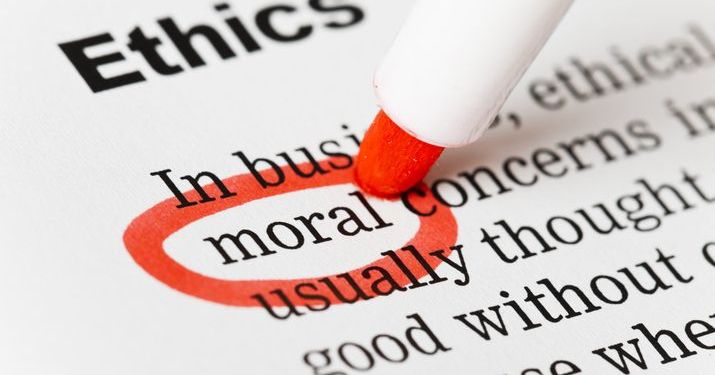

These morality problems aren’t just issues of the past. The US government breaches ethics in the battle against foreign nations and with its own troops. The largest case being circulated in military communities is the malaria drug that can cause PTSD-like symptoms. The medicine was Mefloquine, which was first developed by the Army in the 70s and saw extensive use until 2004. There were suicide and murder cases at Fort Bragg in 2002, where a direct cause was never legally proven, Mefloquine intoxication was heavily implied. The next year, there was a spike in suicides in the early months of the Iraq War, with many soldiers suffering from PTSD-like issues while not having been to combat. While the Army stopped using the drug in 2004 (in favor of Doxycycline), it can still be prescribed at the doctor’s discretion, even though the FDA issued a “black box alert” in 2013, the strongest consumer warning that they can provide.

Speaking of pharmaceuticals,
Swedish drug company Novartis
has been caught in an ethics scandal themselves. The FDA approved Zolgensma, a
gene therapy product intended to treat children less than two years of age with
spinal muscular atrophy (SMA) – more specifically, the most severe form of SMA.
The treatment’s price was set at $2.1 million. However, the data on this drug
was heavily manipulated and claimed false data on success rates of the gene
therapy product.
Fortunately, the FDA
stated that patients were not at risk and that the treatment could still be
sold. But this level of mishandling and manipulation of data by Novartis
delivers a hit against the narrative of pharmaceutical companies. Patients want a treatment that can help them – possibly the clearest fact in the world. Patients
want to have trust in their doctors and the medicine prescribed to them, but
this breach of ethics will most certainly cause fear and dissent for “big
pharma.” With 2019 as the year of anti-vaxxers
and US citizens questioning heavily studied and trusted science, this case can, unfortunately, turn citizens away from prescribed medication and towards essential oils and
other ineffective forms of self-treatment.
As you’ve read my blog,
you’ve noticed the multitude of hyperlinks above. This is my effort to remain
ethical in my approach to news writing, a code of ethics that are rules of the
classroom in many high schools and universities. However, there are still
journalists today who breach this code of ethics. Bonnier Corporation is a media company that
has 18 print magazines in circulation. The
company had to fire Flying magazine’s
editor-in-chief, Stephen Pope, for a violation of the company’s ethics code.

Comments
Post a Comment